CNA Insider: Changing Ageing in Asia

SCROLL DOWN
SCROLL DOWN

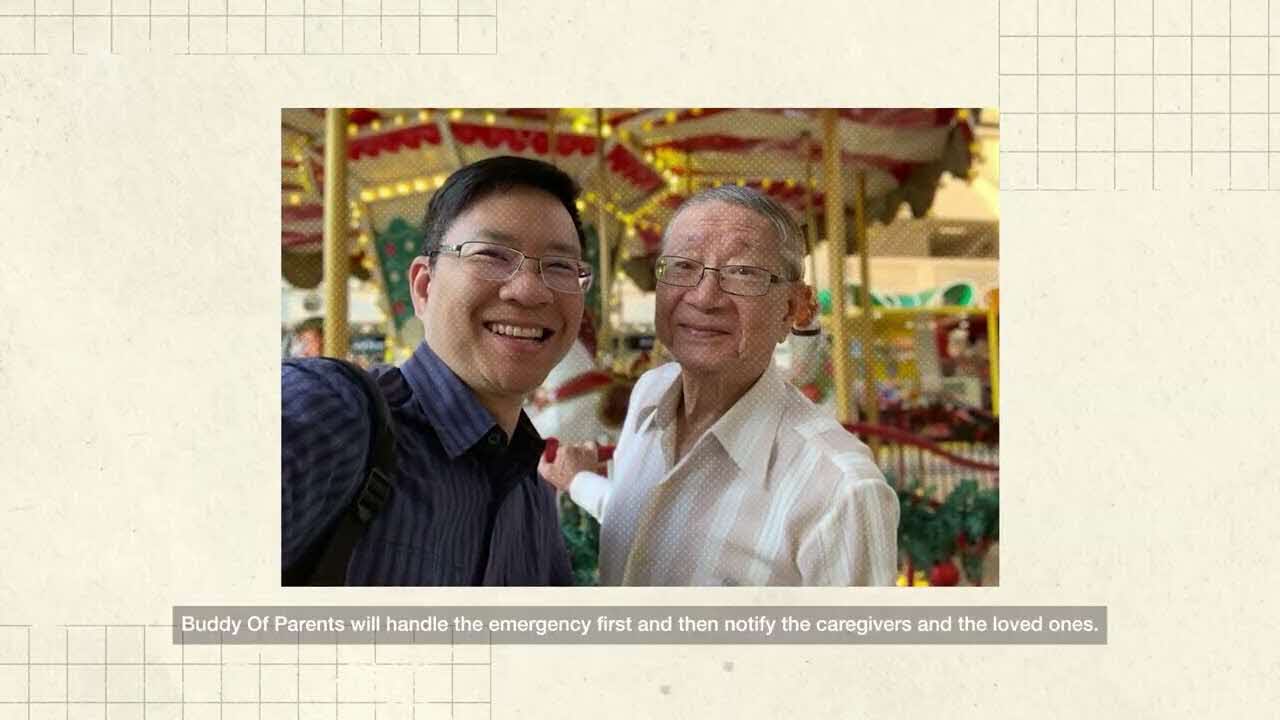
In Singapore, most seniors want to age at home – surrounded by familiarity, comfort and independence. Yet, for their children, that independence can come with a quiet worry: What happens if something happens and I’m not there? That’s why we partnered with CNA Insider on “Changing Ageing in Asia” – a six-part series spotlighting innovators and community heroes who are reshaping how we approach ageing. In this episode, we feature Buddy of Parents (BOP), a Singapore-based tech company and DBS Foundation Impact Award recipient, that helps seniors to live safely and confidently at home. With a simple press of a button, seniors are connected directly to trained call agents who can assess the situation and dispatch help when needed. Through thoughtful, easy-to-use technology, BOP is showing how ageing-in-place does not mean growing old alone – giving families reassurance while enabling seniors to continue enjoying their independence. Watch the episode to see how simple innovations can make a powerful difference to empower seniors to age safely, confidently and with peace of mind.
For decades, eldercare in China has followed the “9073” model, with most seniors cared for at home. But as families shrink and cities age rapidly, is this model still sustainable? In Shanghai, China’s fastest-ageing city, Huakang Health Group is piloting a new approach: neighbourhood-based eldercare centres that offer affordable day care, meals, health checks and social connection – all within walking distance of home. This episode of “Changing Ageing in Asia” dives deeper to explore how caring for seniors also means designing communities where they remain visible, valued and resilient. Watch the episode to see how Huakang is rethinking community-based eldercare in Shanghai – and what it could mean for the future of ageing across China.
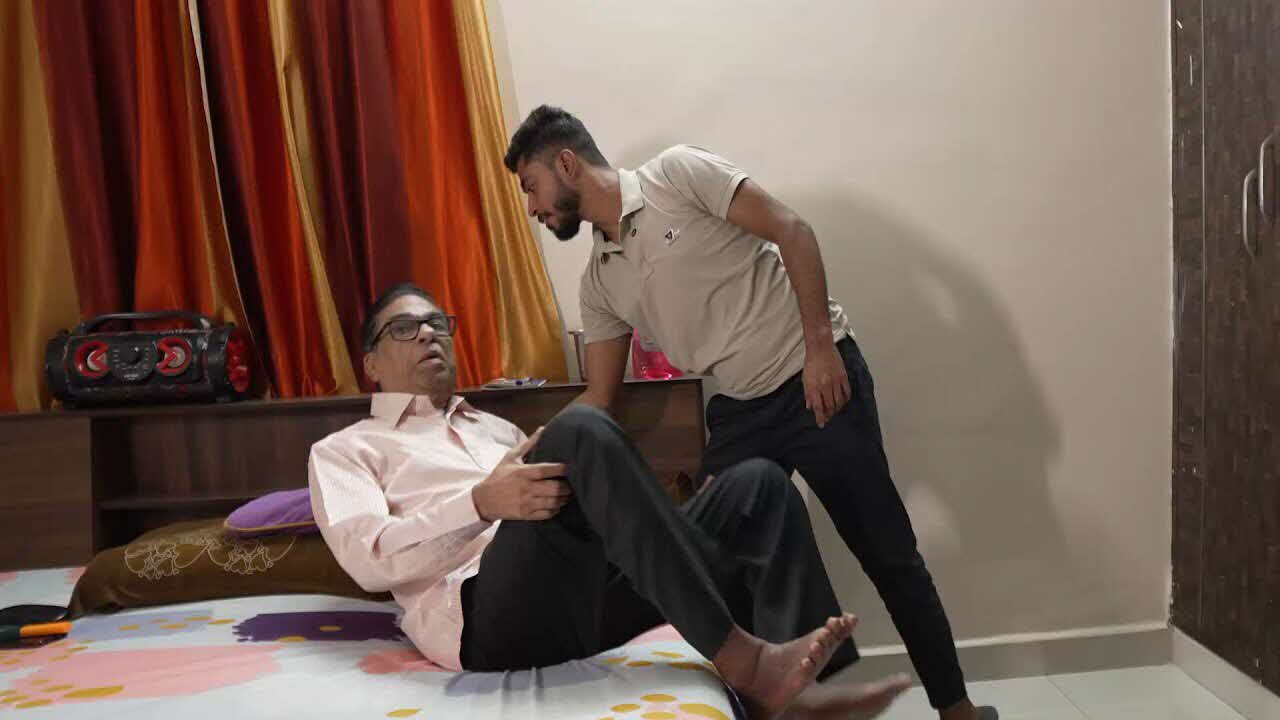
India faces a dual challenge: millions of seniors need quality home care while young people, especially those from rural cities, struggle to find meaningful employment. In this episode of “Changing Ageing in Asia”, we follow Life Circle, a Hyderabad-based startup training rural youth as certified eldercare professionals and transforming caregiving into a respected healthcare career. Life Circle is a 2025 winner of the DBS Foundation Impact Beyond Award. As families welcome trained caregivers into their homes, seniors are able to stay active, engaged and central to family life – while young people gain stable careers and long-term opportunity. This episode asks a powerful question: Can ageing societies become engines of employment, dignity and purpose? Watch the episode to see how Life Circle is turning caregiving into a pathway for employment and resilience, while helping seniors age with comfort and dignity.
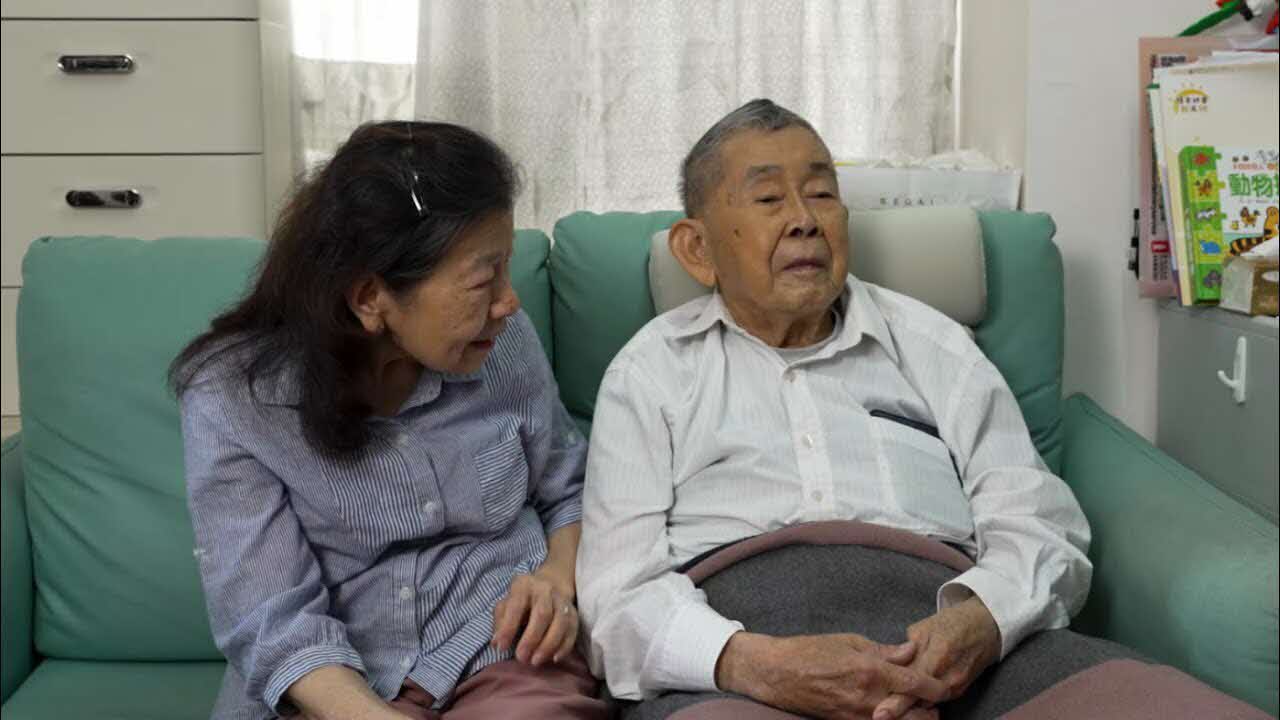
In Hong Kong, 90% of people want to age at home – yet rising care costs and an ageing healthcare workforce make this increasingly difficult. In this episode of “Changing Ageing in Asia”, we meet Evercare, a platform connecting families with over 30,000 gig healthcare workers, many of whom are older, seasoned professionals seeking flexible, sustainable work. Evercare is a 2025 winner of the DBS Foundation Impact Beyond Award. Through the eyes of a seasoned healthcare worker and the families she supports, we see how home care can enable seniors with complex needs to stay with loved ones – while giving older workers a second chance to contribute their skills meaningfully. This episode shows that ageing societies don’t just need more care. They need smarter systems that value older adults as part of the solution. Watch the episode to see how Evercare is reshaping home care in Hong Kong- creating opportunities for older workers while helping families navigate their journey of caregiving.
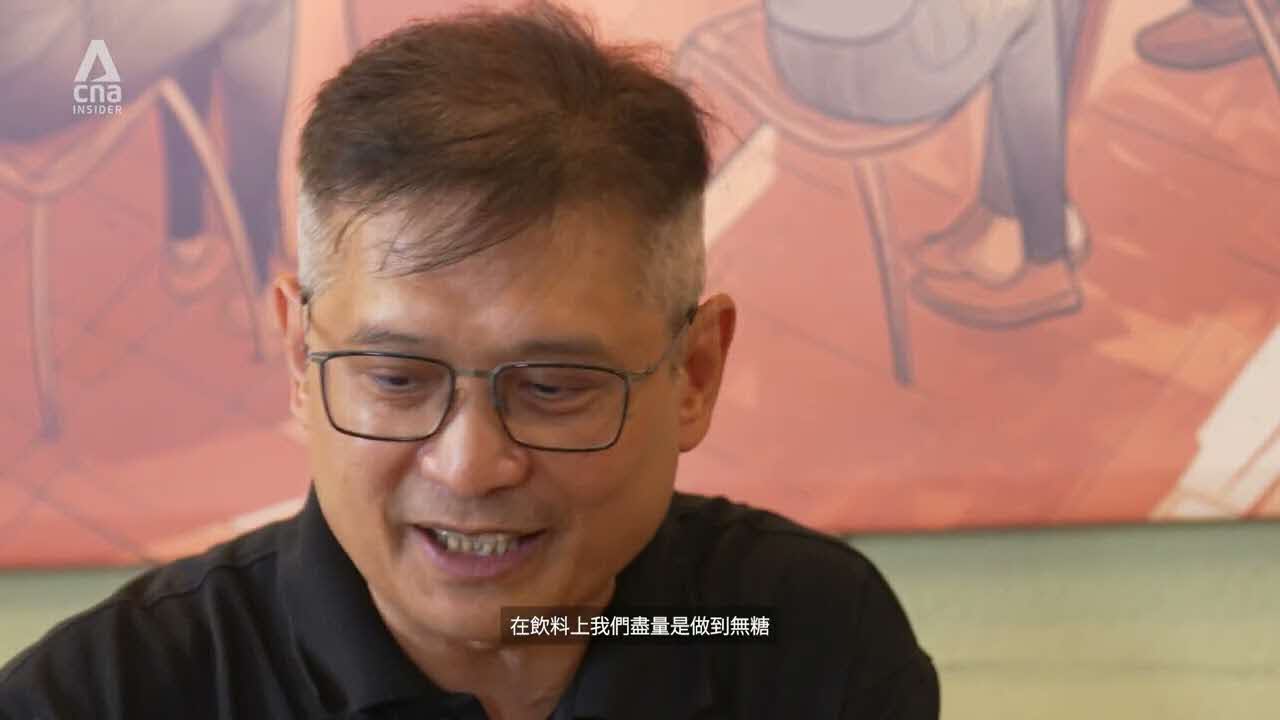
Taiwan is a super-aged society. Yet for many seniors receiving care at home, mobility challenges can shrink their world – limiting travel, social connection and even family outings. This episode of “Changing Ageing in Asia”, explores how Duofu, a Taipei-based social enterprise is reimagining travel for seniors through mobility-adapted van tours that prioritise adventure, dignity and inclusion. Duofu is a 2024 recipient of the DBS Foundation Grant. From accessible transport to thoughtful planning, Duofu ensures ageing doesn’t mean retreating from life, but continuing to participate fully in it. Watch this episode to see how Duofu is helping seniors rediscover the joy of travel – and what it takes to build communities where ageing remains active and inclusive.
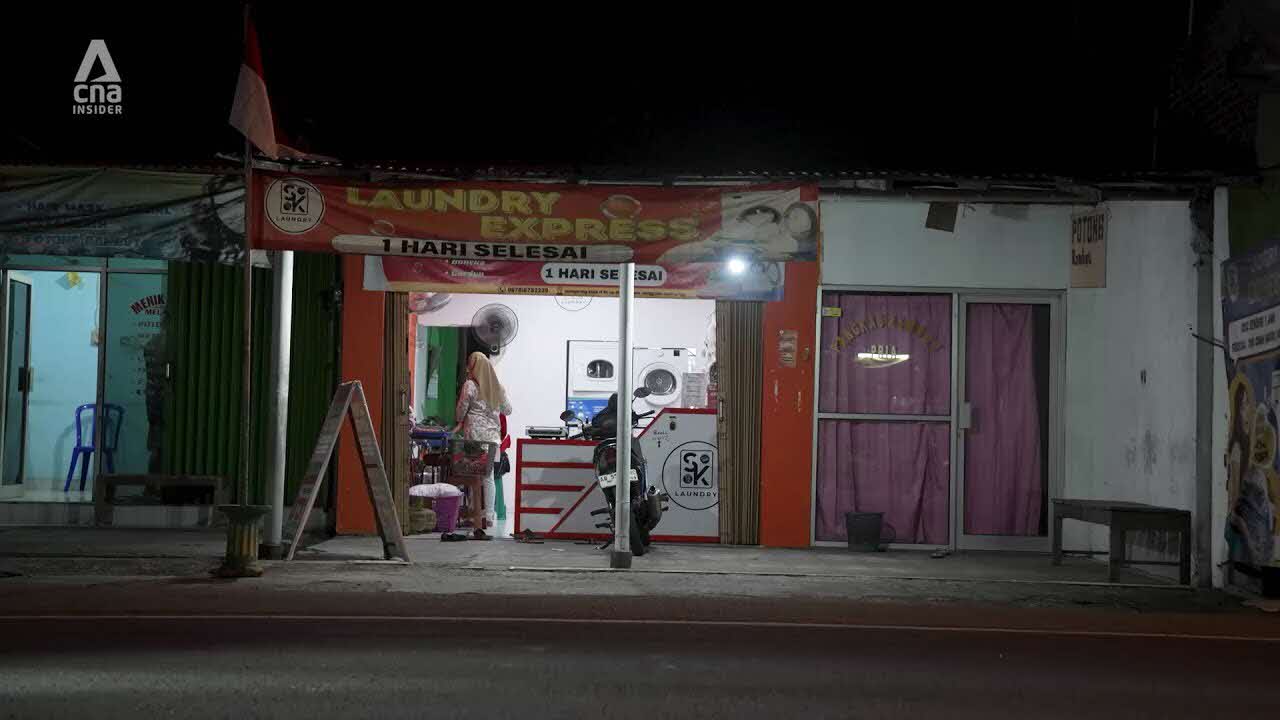
Indonesia may have a relatively young population, but its sandwich generation is under growing pressure to support ageing parents, often while facing limited job opportunities themselves. In this final episode of “Changing Ageing in Asia”, we follow Komerce, a social enterprise bringing digital skills training and remote jobs directly to rural communities, allowing youth to build careers without leaving home. Komerce is a 2020 recipient of the DBS Foundation Grant. Through their work, we see how empowering young people with digital livelihoods enables them to care for three generations, proving that supporting ageing families and building the future don’t have to be mutually exclusive. Watch this episode to see how Komerce is helping rural communities unlock opportunity – and what it means for ageing families across Indonesia.

When the 9 to 5 ends, a different kind of work begins. These are the stories of DBS employee volunteers, called People of Purpose, who go above and beyond their duties at the bank. They spend their “After Hours” making a positive impact on our communities in Singapore, giving back with time and effort – whether through skills, or just sharing a smile with others.


From Singapore and across the region, changemakers are powering innovative solutions to reimagine ageing across Asia. From empowering seniors to live with dignity with a simple-to-use SOS button that preserves their independence, to training Gen Zs to become live-in caregivers for a purposeful career, and even changing eldercare perceptions.